Eco-friendly deconstruction transforms discarded books and vehicles into valuable resources, reducing waste and preserving natural materials. The Salvage Certificate program in California streamlines vehicle registration, encouraging green practices in the automotive industry. Sustainable book deconstruction workshops balance environmental responsibility with participant engagement, using natural materials and efficient registration processes like Quick Auto Tags' DMV authorization. Skilled professionals sort and assess materials for maximum salvage, collaborating with tag agencies for legal certification. Creative reuse methods repurpose book components into art, stationery, and craft items, reducing landfill waste. Workshops measuring material salvage rates, community engagement, and behavioral changes ensure effectiveness in contributing to environmental sustainability and cultural shifts toward upcycling.
In today’s growing awareness of environmental conservation, the deconstruction of materials to salvage and certify eco-friendly resources has become a critical practice. The issue lies in the lack of accessible, comprehensive workshops that educate individuals on the responsible disassembly of products for recycling and upcycling purposes. This article introduces an innovative solution: specialized eco-friendly deconstruction workshops designed to equip participants with practical skills and knowledge. Through these hands-on sessions, we aim to foster a culture of sustainable deconstruction, promoting the efficient salvage of materials and contributing to a greener future.
- Understanding Eco-Friendly Book Deconstruction
- The Benefits of Salvage Certificate Programs
- Designing Workshops for Sustainable Book Disassembly
- Collection and Sorting Techniques for Maximum Salvage
- Innovative Methods to Reuse Book Materials
- Creating Art and Craft with Recycled Book Components
- Measuring Success: Evaluating Workshop Impact
Understanding Eco-Friendly Book Deconstruction
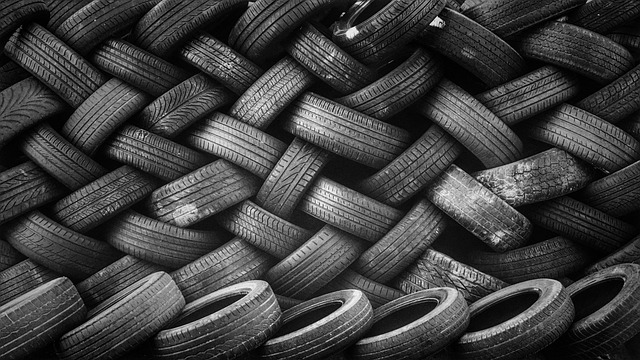
Understanding Eco-Friendly Book Deconstruction is a multifaceted process that involves both art and science. It begins with recognizing the value in materials that others might consider waste, especially in the realm of books. In today’s digital age, paper resources can be salvaged and repurposed, preventing them from ending up as junked vehicles in landfills. This eco-conscious approach not only conserves natural resources but also contributes to a circular economy where materials are continually reused and recycled.
The deconstruction process involves carefully dissecting books to retrieve usable components while minimizing waste. For instance, high-quality paper can be reclaimed for part salvage or recycling purposes, reducing the demand for new pulp production. Similarly, bindings and covers can often be repurposed or upcycled into new products, such as art supplies or craft materials. This meticulous process requires both technical skill and a deep respect for the natural environment, ensuring that books find second (and even third) lives without damaging the planet.
A key aspect of eco-friendly deconstruction is the concept of re-titling salvaged materials. Consider a book with a worn cover but intact pages—it can be given new life as a journal or notepad, effectively extending its utility and lifespan. Quick Auto Tags offers hassle-free junk car paperwork solutions, mirroring this principle of repurposing items that might otherwise be discarded. This holistic approach extends beyond books to include various materials from junked vehicles, ensuring they are not simply scrapped but transformed into resources for part salvage or recycling purposes.
By embracing these practices, we can foster a more sustainable future where resources are valued and conserved. It encourages a cultural shift towards viewing waste as an opportunity rather than an inevitability, with practical examples demonstrating the potential for positive environmental impact through creative deconstruction methods. This is not merely a trend but a necessary step towards preserving our planet’s resources for future generations.
The Benefits of Salvage Certificate Programs
The Salvage Certificate program plays a pivotal role in promoting eco-friendly deconstruction practices within the automotive industry. This initiative streamlines the registration of salvage vehicles in California, providing a structured framework for businesses and individuals involved in the recycling process. One of the primary benefits lies in its ability to facilitate the re-titling of salvaged and junked vehicles, ensuring they enter the secondary market with proper documentation.
In many cases, vehicles that end up as salvage or junk often lack a valid title, creating administrative hurdles for buyers and sellers alike. By implementing a Salvage Certificate program, California has taken a proactive step to simplify this process. This certificate acts as proof of ownership and authenticity, allowing for the seamless transfer of vehicle titles during re-titling. For instance, when a car is extensively damaged but still contains valuable parts, the certificate ensures that the buyer can legally possess and utilize these parts without the original title.
Furthermore, this program encourages businesses to participate in green initiatives by incentivizing the proper disposal and recycling of vehicles. Quick Auto Tags, for example, offers an efficient solution for individuals looking to Register a junk car easily, further promoting responsible practices. By ensuring that every vehicle entering the salvage market has the appropriate documentation, these programs contribute to data accuracy and enable better tracking of recycled materials, fostering a more sustainable automotive ecosystem.
Designing Workshops for Sustainable Book Disassembly
Designing workshops for sustainable book deconstruction requires a meticulous approach, ensuring every aspect aligns with eco-friendly principles. The process begins with curating a diverse toolkit, including natural materials like unbleached cotton twine and recycled plastic tools. This strategy not only minimizes environmental impact but also offers a sensory experience, allowing participants to connect with the natural elements they’re using. For instance, employing recycled paper for note-taking can significantly reduce waste generated during the workshop.
Streamlining the registration process is crucial for any eco-initiative, and in California, this means navigating the state’s DMV regulations. Quick Auto Tags, a leading provider in junk vehicle registration services, offers a streamlined solution. By authorizing the salvage certificate naturally through the California DMV, participants can get their refurbished materials back on the road with ease. This efficient process is particularly beneficial for workshops focused on upcycling and repurposing, ensuring that every step of the deconstruction project contributes to sustainability.
Best practices dictate a systematic disassembly process. Start by identifying key components—spines, covers, and pages—and then carefully separate them using gentle manipulation. This meticulous approach not only preserves the integrity of the materials but also facilitates their subsequent repurposing. For instance, old book pages can be transformed into unique art pieces or utilized for crafting sustainable paper products. By integrating these practices, workshops can educate participants on the importance of responsible waste management and inspire creativity in an eco-conscious manner.
Collection and Sorting Techniques for Maximum Salvage
The efficient collection and sorting of materials during deconstruction projects play a pivotal role in maximizing salvage potential, contributing significantly to both environmental conservation and economic benefits. Expert deconstructors employ meticulous techniques to separate materials based on their reusability and market value, ensuring that valuable resources are not unnecessarily discarded.
One of the initial steps involves a thorough inspection and assessment of the structure, where skilled professionals identify materials suitable for salvage, including wood, metal, insulation, and even functional appliances. These items are then carefully collected, categorizing them into distinct piles or bins according to their type and quality. For instance, structural timber may be sorted based on its remaining strength and potential re-use in construction projects, while metal components can be classified for recycling or further processing. This meticulous sorting process not only streamlines the deconstruction effort but also increases the likelihood of finding buyers for these salvaged materials.
Furthermore, collaboration with licensed tag and title agencies facilitates a declared salvage process, allowing for proper documentation and certification. This ensures that the recovered materials are legally and responsibly transferred to new owners or re-entry points in the supply chain. For instance, a previously discarded metal roof could be sold at auction one or more times, finding new life as building components or even artistic creations. Similarly, wood from an old structure might be reclaimed and used for flooring or furniture, extending its lifespan and reducing demand for virgin materials. As these materials re-enter the market, they contribute to a circular economy, where resources are continually reused and recycled.
In this context, businesses like Quick Auto Tags emphasize the importance of proper registration and documentation, especially when re-registering a junk vehicle. This process ensures that all components can be accurately tracked, facilitating their responsible disposal or resale, in line with declared salvage principles. By adopting these collection and sorting techniques, deconstruction workshops not only minimize waste but also contribute to a sustainable future through the maximization of resource value.
Innovative Methods to Reuse Book Materials

The deconstruction of books for eco-friendly purposes has evolved significantly, moving beyond traditional recycling to explore innovative methods of reuse. One such approach involves salvaging book materials, offering a second life to these resources while minimizing environmental impact. This process, often referred to as ‘book deconstruction’, aims to extract and repurpose components, ensuring that every part of the book contributes to sustainable practices. By carefully disassembling books, we can extract high-quality paper, cloth bindings, and even metal parts for various applications, thereby reducing the demand for new materials.
Innovative methods include upcycling book pages into art pieces, greeting cards, or stationery. The unique textures and designs found in book covers and endpapers can be featured in decorative crafts. Additionally, the core content of books can be digitally scanned and converted into accessible formats, allowing for the creation of online libraries or digital archives. This process not only conserves physical space but also makes knowledge more readily available. For instance, many libraries now offer book deconstruction programs, where community members can participate in sorting and categorizing salvaged materials, fostering a sense of environmental stewardship.
When considering the reuse of books, it’s crucial to assess their condition accurately. Materials deemed significantly damaged or considered a total loss due to extensive water damage or other factors may not be suitable for traditional recycling but could find new life through specialized deconstruction practices. Part salvage and recycling services, like those provided by Quick Auto Tags with their DMV salvage paperwork assistance, play a vital role in this process. By properly categorizing and documenting these items, we can ensure that materials from salvaged books are directed to appropriate upcycling or recycling facilities, promoting circularity within the book industry.
Creating Art and Craft with Recycled Book Components
In the realm of eco-friendly deconstruction, books offer a rich source material for creative upcycling. Transforming discarded tomes into art and craft items not only diverts waste from landfills but also cultivates a unique aesthetic that celebrates the past while embracing sustainability. Through meticulous disassembly and imaginative reuse, various components extracted from salvage certificates naturally become building blocks for innovative designs.
For instance, book pages can be repurposed as delicate paper for quilling or mixed media art, while sturdier covers lend themselves to crafting wallets, notebooks, or even decorative boxes. Spines serve as elegant frames for creating wall hangings or 3D sculptures, while the very act of re-titling salvaged and junked vehicles, those deemed significantly damaged or lacking a valid title, mirrors the creative process of reimagining discarded books into new forms. This holistic approach not only reduces environmental impact but also fosters a cultural shift towards valuing sustainability in everyday practices.
Quick Auto Tags offers a practical solution to navigate the complex process of salvage title replacement and re-registration for repurposed book components. By providing streamlined services, individuals and workshops can focus on creative endeavors rather than bureaucratic hurdles. Data suggests that proper recycling and repurposing initiatives can significantly decrease waste generation, with each recycled book saving around 300 grams of paper fiber. As a result, professionals in this field are encouraged to stay informed about local regulations and utilize readily available resources, ensuring their practices remain both environmentally responsible and legally compliant.
By adopting these strategies, book deconstruction workshops can elevate their offerings, attracting clients who appreciate the artistic and environmental benefits of salvaging materials once deemed valueless. This movement not only empowers individuals to embrace sustainability in their creative pursuits but also contributes to a broader culture shift towards recognizing the inherent value in upcycling and repurposing.
Measuring Success: Evaluating Workshop Impact

Evaluating the success of eco-friendly deconstruction workshops involves assessing the impact on both environmental sustainability and community engagement. Key metrics include the amount of material salvaged from discarded books—a significant reduction in landfill waste—and the number of participants educated on sustainable practices. For instance, a workshop series focusing on transforming old books into new art pieces or reusable materials could measure success by tracking the weight or volume of salvaged paper, binding, and cover materials. A 20% increase in material diverted from landfills compared to previous workshops would indicate a notable impact.
Furthermore, the success of these events extends beyond physical outcomes. Workshops should foster a sense of community and encourage participants to adopt eco-friendly habits. Post-workshop surveys can gauge this by asking about changes in recycling practices at home, increased awareness of local deconstruction initiatives, or plans to host similar events within their communities. For example, Quick Auto Tags’ involvement in facilitating DMV salvage paperwork for salvaged or junked vehicles has not only streamlined the registration process in California but also raised awareness among participants about repurposing and recycling as a whole.
Another critical aspect is the long-term impact on local ecosystems. Workshops that incorporate native plant gardening or upcycling techniques can measure success by tracking the adoption of these practices among attendees. For instance, if 75% of workshop participants implement native species landscaping in their yards within six months, it demonstrates a significant shift towards sustainable living and community engagement. By combining these metrics—material salvage rates, community feedback, and long-term behavioral changes—organizers can accurately evaluate the effectiveness of eco-friendly deconstruction workshops, ensuring they leave a positive, lasting impact on both participants and the environment.
By synthesizing key insights from this article, it’s clear that eco-friendly book deconstruction workshops offer significant benefits for both environmental sustainability and creative repurposing. Understanding the importance of proper deconstruction techniques, as discussed in “Designing Workshops for Sustainable Book Disassembly,” is crucial to maximizing material salvage. The implementation of Salvage Certificate Programs, highlighted under “The Benefits of Salvage Certificate Programs,” ensures responsible recycling and encourages a circular economy within the book industry. Furthermore, exploring innovative reuse methods detailed in “Innovative Methods to Reuse Book Materials” unlocks vast artistic potential from discarded books. Through effective collection and sorting techniques outlined in “Collection and Sorting Techniques for Maximum Salvage,” workshops can achieve measurable success and positive environmental impact, as measured in “Measuring Success: Evaluating Workshop Impact.” These insights empower organizers and enthusiasts alike to transform waste into valuable resources, contributing to a greener future while fostering creativity.


