
Construction debris recycling through proper sorting and salvage certification reduces environmental impact and resource depletion. Key steps include identifying reliable services with certifications, transparent processes, and efficient registration. Assessing material recyclability and obtaining salvage certificates ensures compliance and cost savings. Partnering with licensed experts committed to data transparency maximizes resource recovery while minimizing landfill waste and contributing to a sustainable future.
Construction debris, a byproduct of the ever-evolving built environment, poses a significant challenge. The voluminous nature of this waste stream often leads to excessive landfilling, exacerbating environmental concerns. However, the solution lies in construction debris recycling services, a vital strategy for sustainable construction practices. These services not only divert materials from landfills but also facilitate the recovery of valuable resources, such as concrete, steel, and wood. Obtaining a salvage certificate can be a critical step in ensuring these services are executed responsibly and legally. By embracing construction debris recycling, we can foster a more circular economy, reducing environmental impact and promoting resource efficiency.
- Understanding Construction Debris Recycling
- Identifying Reliable Recycling Services
- Assessing Material Compatibility for Recycling
- Ensuring Proper Disposal with Salvage Certificate
- Optimizing Cost and Sustainability Benefits
- Regulatory Compliance and Best Practices
- Choosing the Right Partner for Efficient Recycling
Understanding Construction Debris Recycling
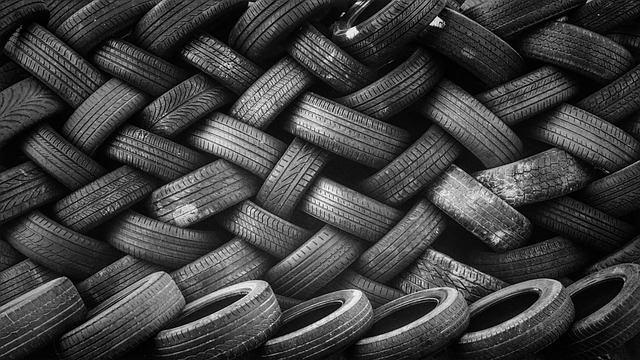
Construction debris recycling is a vital process that transforms the remnants of construction projects into valuable resources. It involves the collection, sorting, and processing of materials such as concrete, wood, metal, and plastic, which can then be reused in various applications, reducing the demand for new raw materials and minimizing environmental impact. Understanding this process is crucial for anyone involved in construction or looking to dispose of construction debris responsibly.
The first step in construction debris recycling is proper sorting at the source. Different materials require different disposal methods, so separating them ensures efficient processing. For instance, concrete can be crushed and reused as aggregate while wood may be salvaged for landscaping or fuel. Metal, a significant component of construction waste, can be melted down and cast into new shapes, reducing energy consumption compared to producing metal from virgin ore. This meticulous sorting process is key to maximizing the amount of material that can be recycled, contributing to a more sustainable approach to construction.
Declaring a vehicle as salvage, whether it’s a salvaged or junked car, plays a unique role in construction debris recycling, especially in California. When a vehicle is declared salvage by the California DMV, it opens up opportunities for responsible disposal and potential benefits. Many old cars, once deemed useless, can be broken down into valuable components, which are then sold or used in the manufacturing of new products. This practice not only reduces landfill waste but also provides an alternative source of materials for various industries. For example, recycled car parts can be utilized in the production of steel, aluminum, and even plastic, demonstrating the far-reaching impact of authorized salvage processes.
For those looking to navigate the complexities of junk car re-registration, seeking professional assistance is advisable. Quick Auto Tags offers specialized services to help individuals manage this process efficiently. By providing expertise in junk car registration and title transfer, they ensure that clients can take advantage of declared salvage status while adhering to legal requirements. This support is particularly valuable for those unfamiliar with the procedures or facing time constraints. With proper guidance, recycling construction debris becomes not just an environmental responsibility but also a strategic opportunity to contribute to a more sustainable future.
Identifying Reliable Recycling Services

When seeking construction debris recycling services, identifying reliable providers is paramount to ensure environmental stewardship and cost savings. Start by verifying their credentials, including certifications like Salvage Certificate, which attests to proper handling of recycled materials. Look for companies licensed through a tag and title agency, ensuring they follow legal protocols for acquiring and selling materials from salvaged or junked vehicles. Reputable recycling centers often have transparent processes, allowing you to track the origin of materials.
One key indicator of reliability is their participation in auctions where construction debris and recycled materials are sold. These sales create a market for sustainable practices, encouraging competition based on environmental responsibility. For instance, data shows that materials sourced from such auctions can be resold at a significant discount compared to virgin materials, making it a cost-effective green solution. Moreover, companies that offer convenient junk vehicle registration services, like Quick Auto Tags, streamline the process, enabling businesses to redirect resources towards sustainable practices rather than administrative tasks.
Practical insights include checking online reviews and asking for references. Look for consistent positive feedback regarding their recycling methods, customer service, and compliance with environmental regulations. Engaging with providers who demonstrate a commitment to sustainability fosters trust. Remember, true expertise lies not just in recycling but also in facilitating a circular economy, where construction debris becomes valuable resources, benefitting both the environment and local economies.
Assessing Material Compatibility for Recycling

When seeking construction debris recycling services, assessing material compatibility for recycling is a critical step. This process involves scrutinizing the condition of various materials, such as concrete, metal, wood, and plastic, to determine their suitability for recycling. Materials that are significantly damaged or deemed a total loss are often declared salvage and can be processed for reuse, reducing waste and environmental impact. In California, streamlining the registration of salvage vehicles has become increasingly important, making it easier for construction companies to participate in this sustainable practice. According to recent data, declaring salvage can result in substantial cost savings, with some estimates suggesting up to a 30% reduction in disposal costs.
One key aspect to consider is obtaining a salvage certificate, which serves as official documentation that the materials are eligible for recycling or reuse. This certificate is particularly valuable when dealing with regulatory bodies and ensuring compliance with environmental standards. In regions like California, where the declaration of salvage vehicles has been simplified, construction companies can participate more effectively in waste reduction efforts. For example, Riverside salvage vehicle services at Quick Auto Tags offer a streamlined process, allowing businesses to register their salvage vehicles quickly and efficiently. This not only facilitates recycling but also encourages a culture of sustainability within the construction industry.
To maximize the benefits of material compatibility assessment, construction companies should adopt a systematic approach. Begin by conducting thorough inspections to identify recyclable materials, separating them from non-recyclable or hazardous waste. Next, research local regulations and recycling guidelines to understand which materials are accepted at various facilities. Collaborating with experienced recyclers who can provide expert advice on material processing is also beneficial. By following these steps, construction companies can ensure that their debris is not only recycled but also contributes to a more sustainable future, reducing the environmental footprint of construction projects.
Ensuring Proper Disposal with Salvage Certificate

Construction debris recycling is more than just a sustainable practice; it’s a critical component of responsible project management. As the industry evolves, ensuring proper disposal becomes an increasingly vital aspect of construction and demolition processes. One often overlooked yet powerful tool in this regard is the salvage certificate, which serves as a legal document guaranteeing that recycled materials have been properly sourced and handled. This certification isn’t just about compliance; it empowers builders, contractors, and even individual property owners to make informed decisions while contributing to a circular economy.
Obtaining a salvage certificate involves engaging with licensed tag and title agencies that specialize in processing documents for salvaged or salvage-titled vehicles—a term that often applies to materials recovered from demolition sites. These agencies play a pivotal role in the recycling ecosystem, ensuring that each component has a traceable history. When construction debris, such as steel, wood, or concrete, is sold at auction one or more times, the subsequent buyer becomes responsible for proper disposal and certification. This process not only maintains legality but also promotes transparency, allowing businesses to demonstrate their commitment to sustainability.
For instance, consider a building renovation project where substantial amounts of timber are reclaimed from old structures. By having these materials properly certified, contractors can prove that they’ve sourced eco-friendly materials, enhancing their reputation and potentially appealing to environmentally conscious clients. Moreover, quick and efficient registration processes, like those offered by Quick Auto Tags, enable junk vehicles or debris to be re-registered swiftly, ensuring compliance and facilitating the recycling chain. This streamlined approach not only saves time but also contributes to a more efficient and sustainable construction sector.
Optimizing Cost and Sustainability Benefits

Construction debris recycling offers a powerful pathway to optimize costs and enhance sustainability for any project. By leveraging specialized services, construction companies can significantly reduce waste that ends up in landfills. These services not only facilitate proper disposal but also enable the recovery of valuable materials, which can be reused or recycled into new products. For instance, steel from demolished structures can be melted down and molded into rebar for new constructions, reducing the demand for virgin materials by as much as 70%.
One underutilized yet potent strategy in this realm is the re-titling of salvaged and junked vehicles, a process that can create substantial cost savings. A salvage-titled vehicle, often obtained through insurance settlements or after an accident, can be meticulously repaired and restored to its former glory. This not only keeps these vehicles out of landfills but also provides affordable transportation options for individuals and businesses alike. Quick Auto Tags, for instance, simplifies the registration process, allowing you to get your salvage vehicle back on the road with ease. The benefits extend beyond economic ones; each salvaged vehicle that hits the road means fewer new cars needing production, thereby reducing the environmental footprint of the automotive industry.
The optimization of construction debris recycling and vehicle re-titling practices goes hand in hand with sustainable development goals. By embracing these strategies, construction firms can not only meet but exceed regulatory requirements regarding waste management. Moreover, they can contribute to a circular economy where resources are continually reused and repurposed, leading to significant long-term savings. Data from the EPA shows that proper debris management can cut disposal costs by up to 50%. This is a testament to the fact that prioritizing sustainability in construction not only benefits the environment but also presents a compelling business case.
Regulatory Compliance and Best Practices

Construction debris recycling is a critical aspect of sustainable building practices, but it also presents regulatory complexities. To ensure compliance and maximize environmental benefits, businesses must navigate a series of state and federal guidelines. In California, for instance, authorized entities like Quick Auto Tags offer crucial services to manage construction waste responsibly. These include obtaining a salvage certificate for materials that meet the criteria set by the California Department of Motor Vehicles (DMV), especially when dealing with salvage-titled vehicles or those with rebuilt/reconstructed titles.
The process involves proper identification and classification of recyclable materials, which can range from metal scraps to concrete and wood. Each type has specific handling requirements, including segregation and preparation for recycling. For example, steel and aluminum are valuable recyclables, but they must be separated from other metals to maintain the quality of subsequent products. Similarly, wood from demolished structures can be salvaged and reused, provided it meets certain standards for treating and certifying as reusable material.
Best practices in construction debris recycling encompass several key strategies. First, pre-planning is vital; understanding the types and volumes of debris generated allows for efficient sorting and collection. Second, partnering with reputable recycling facilities that hold the necessary permits, like Quick Auto Tags, ensures compliance with environmental regulations. Third, employing innovative technologies can enhance recycling rates and reduce waste. For instance, advanced sorting machinery can accurately separate materials based on density and magnetic properties. Lastly, engaging in continuous training for staff involved in debris management fosters a culture of sustainability and accountability.
Data from the Environmental Protection Agency (EPA) highlights the significance of these practices: proper recycling programs can divert over 90% of construction waste from landfills. By adhering to regulatory compliance and embracing best practices, construction businesses can contribute to this goal while potentially reducing costs through resource recovery and diversion strategies. Quick junk car DMV processing at Quick Auto Tags is one such solution that simplifies the certification process for recyclable materials, enabling efficient contributions to a greener future.
Choosing the Right Partner for Efficient Recycling

Choosing the right partner for construction debris recycling is a crucial step in minimizing environmental impact and maximizing resource recovery. When selecting a recycling service, look for companies that hold a salvage certificate, ensuring they comply with industry standards and regulations. This certification verifies their expertise in handling and processing various materials responsibly. For instance, many services specialize in salvaging components from significantly damaged or deemed total loss vehicles—a process often involving salvage-titled cars lacking valid titles.
A reputable recycling partner should offer comprehensive solutions tailored to your construction project’s unique needs. They must have the capacity and expertise to handle diverse debris types, from metal and wood to concrete and plastic. Quick Auto Tags, for example, provides a seamless service for registering junk cars easily, further streamlining the recycling process by ensuring materials are properly categorized and processed efficiently. By partnering with such firms, you contribute to a circular economy where construction waste is transformed into valuable resources, reducing the demand for virgin materials and minimizing landfill contributions.
Moreover, consider their commitment to data transparency and environmental reporting. Reliable recyclers keep detailed records of debris processing and can provide insights into the recycled materials’ subsequent uses. This level of accountability demonstrates their dedication to sustainability and responsible business practices. By choosing a partner that prioritizes these aspects, you ensure your construction project aligns with environmentally conscious principles while potentially reducing costs through efficient recycling strategies.
By understanding the intricacies of construction debris recycling, from material compatibility to regulatory compliance, readers are now equipped with the knowledge to make informed decisions. Identifying reliable services and ensuring proper disposal through a salvage certificate are crucial steps in maximizing cost-effectiveness and environmental sustainability. The article highlights the importance of choosing the right partner to optimize recycling efficiency, ultimately contributing to a more sustainable construction industry. These key insights empower businesses and individuals alike to take meaningful actions toward responsible waste management.
